
 TR Türkçe
 PL Polish
Ephesus Ancient City Guide | History, Highlights and Travel Tips
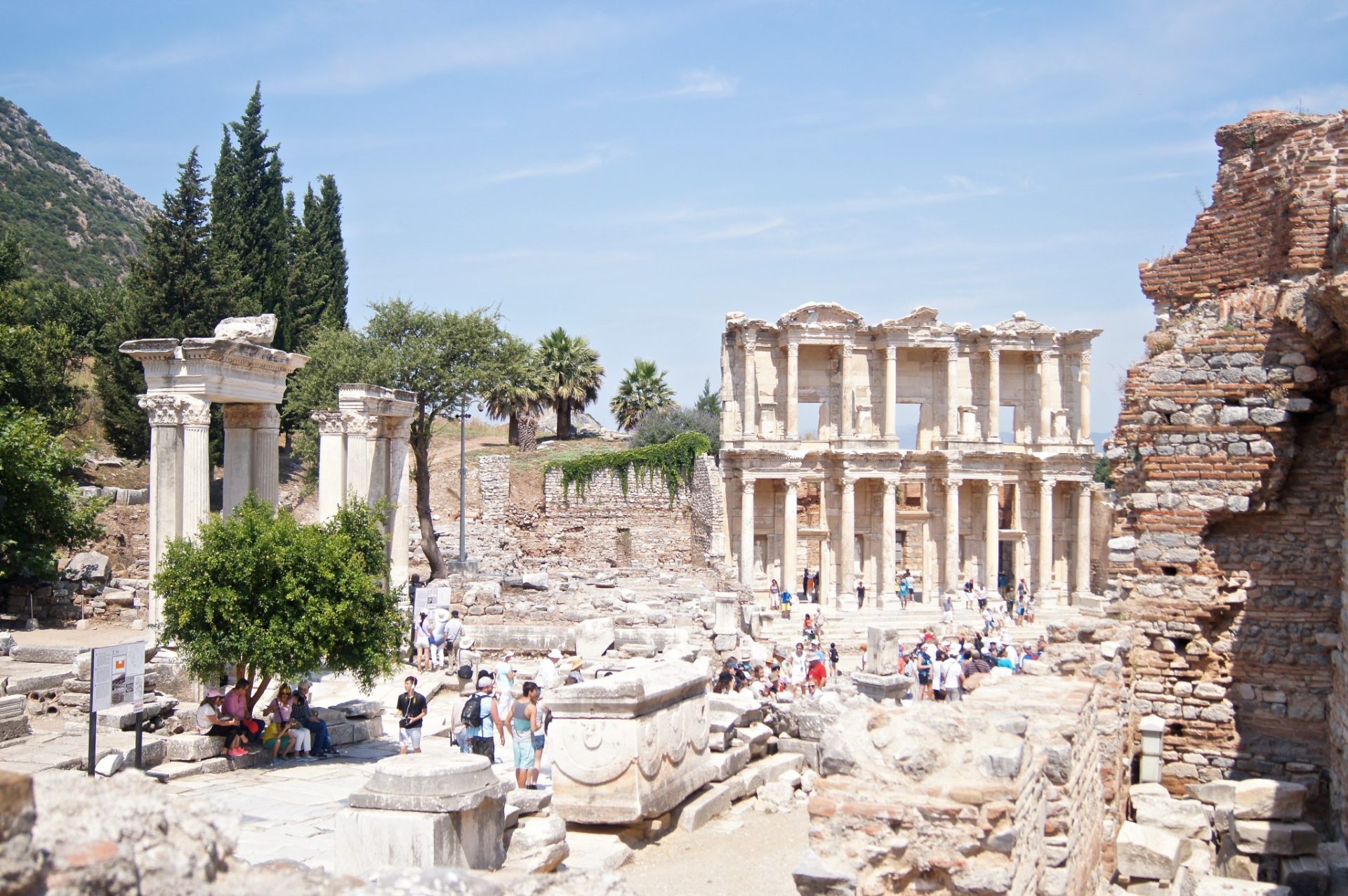
Discover the Ancient City of Ephesus, including the Library of Celsus, Great Theatre, Terrace Houses and Temple of Artemis with useful travel tips.Ephesus Ancient City is one of the most impressive archaeological sites in Türkiye, famous for its Roman ruins, rich history and religious heritage. Explore iconic landmarks such as the Library of Celsus
Ephesus (Efes) – One of the Most Impressive Cities of the Ancient World
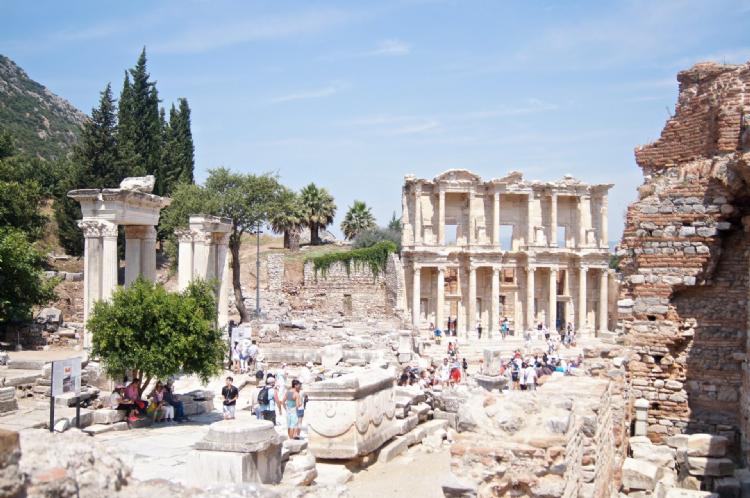
Ephesus (Efes) is considered one of the largest and best-preserved ancient cities around the Mediterranean, apart from Pompeii and some Roman cities in Libya.
After the Sultanahmet district in Istanbul, it is the most visited historical site in Türkiye. For this reason, it can be quite crowded during most of the year, but with proper planning, it is possible to visit during quieter hours.
To fully explore Ephesus, it is necessary to allocate at least three to four hours. During the summer months, the stone structures create intense heat, so visitors are strongly advised to carry water.
History of Ephesus
Foundation of the City and Early Periods
Ephesus became one of the wealthiest cities of the ancient world thanks to its natural harbor located at the end of important trade routes.
At the same time, being the center of the Anatolian mother goddess Cybele and the cult of Artemis increased the city’s importance.
According to legend, Androklos, the son of King Kodros of Athens, learned from an oracle that he should “build a city where the fish and the wild boar point.”
When they arrived in the region, they encountered people cooking fish on the shore. Sparks from the fire ignited the bushes, and a wild boar emerged from them. This event was accepted as the sign for the foundation of Ephesus.
The first settlement was established around 1000 BC on the northern slope of Mount Panayır.
The Lydian and Persian Period
In the 6th century BC, when the Lydian King Croesus arrived in the region, the people of Ephesus attempted to protect themselves by surrounding the Temple of Artemis with ropes for defense purposes.
Croesus must have found this behavior interesting because he did not treat the city harshly and even contributed to the temple. However, he forced the people to move closer to the sea.
In later periods, Ephesus frequently changed hands between Greek and Persian rule.
When Alexander the Great visited the city in 334 BC, the construction of the new version of the Temple of Artemis was still ongoing.
Alexander offered to cover the expenses, but the city administrators politely declined by saying that one god could not build a temple for another god.
Golden Age During the Roman Period
After the death of Alexander the Great, his commander Lysimachus moved the city to its current location and built the first walls.
During the Roman period, Ephesus was declared the capital of the province of Asia and adorned with magnificent structures.
With a population reaching approximately a quarter of a million, the city attracted attention not only for trade but also for its religious freedoms.
As the sacred area of the Temple of Artemis expanded, it became a refuge for criminals.
In addition, Jews, Romans, Egyptians, and Anatolian communities lived together in the city.
Christianity and Ephesus
The Traces of Saint Paul and Saint John
Ephesus is one of the centers of great importance in the history of Christianity.
It is known that Saint John came to the city in the first century.
Saint Paul lived in Ephesus between AD 51-53 and especially tried to spread Christianity among Jewish communities.
However, Paul’s teachings caused major controversy in the city.
Silversmiths who made statues of Artemis started a major uprising, believing that their trade would suffer.
The crowd gathered in the ancient theater shouted “Great is Artemis of the Ephesians” and protested against Paul.
When the events escalated, Paul was forced to leave the city.
Byzantine Period and Decline
During the Byzantine period, Ephesus hosted important church councils.
The Council of Ephesus held in 431 was one of the most important among them.
However, over time, the silting of the harbor, Arab raids, and the end of the Artemis cult caused the city’s decline.
The people gradually moved to the hill where the tomb of Saint John was located, and the foundations of today’s town of Selçuk were formed.
Places to Visit in the Ancient City of Ephesus
Entrance and Visitor Information for Ephesus
It is possible to reach the Ancient City of Ephesus via Kuşadası or Selçuk.
During the summer months, starting from the southern entrance and walking downhill offers a more comfortable route.
Since the ancient city is quite large, comfortable shoes and water are absolutely necessary.
Cave of the Seven Sleepers
The Cave of the Seven Sleepers, one of the sacred places full of legends, holds an important place in Christian history.
According to legend, seven young Christians escaped the persecutions during the reign of the Roman Emperor Decius and took refuge in this cave, where they slept for hundreds of years.
When they awoke, they learned that Christianity had become the official religion.
There are catacombs and church ruins around the cave.
Church of Mary
The Church of Mary was originally a storage structure from the Roman period before it was later converted into a church.
The famous Council of Ephesus held in 431 took place here.
The baptism section can still be seen today.
Arcadiane Road and the Ancient Theater
Arcadiane Road is the magnificent avenue that connected the harbor to the theater in ancient times.
Once lined with shops, this road attracted attention with its nighttime illumination.
The Great Theater located at the end of the road had a capacity of approximately 20,000 people.
Theater performances and public meetings were held here during the Roman period.
It is also believed that the great uprising against Saint Paul took place here.
Marble Street
Marble Street extends from the theater to the center of the city.
The wheel marks on the road are evidence of heavy traffic during the Roman period.
Along the avenue are important structures such as the Agora, the Temple of Serapis, and the ancient brothel.
In particular, the footprint and female figure engraved into the ground are considered an ancient advertisement directing people to the brothel.
Library of Celsus
The Library of Celsus is the most impressive structure that has become the symbol of Ephesus.
It was built between AD 110-135 by Gaius Julius Aquila in honor of his father.
Its magnificent two-story façade is one of the finest examples of ancient architecture.
Approximately 12,000 scrolls were stored inside.
The library suffered severe damage during the Gothic invasions, but today it fascinates visitors with its restored appearance.
Curetes Street
Along Curetes Street are public toilets, the Temple of Hadrian, the Scholastica Baths, and various monumental structures.
The Temple of Hadrian is an elegant structure built in honor of Emperor Hadrian.
The bath complexes were among the important centers of social life during the Roman period.
Terrace Houses
The Terrace Houses are luxurious residences where the wealthiest families of Ephesus lived.
The mosaics, frescoes, and inner courtyards provide important information about daily life during the Roman period.
The decorations here are comparable to the structures in Pompeii.
Especially the depictions of Dionysus and Ariadne are remarkable.
Temple of Domitian and Upper Agora
The Upper Agora, located in the upper part of Ephesus, was one of the political and commercial centers of the city.
The nearby Prytaneion was used as an official reception hall where the sacred fire was protected.
The ruins of the Temple of Domitian and the Odeion structure can also be seen in this area.
The Odeion was used both as a concert hall and a council building in ancient times.
[Image of the Ephesus Terrace Houses and Curetes Street]
Best Time to Visit Ephesus
The ideal time to visit Ephesus is during the spring and autumn months.
Especially:
- April
- May
- September
- October
the weather conditions are more suitable for sightseeing during these months.
During the summer months, temperatures can be extremely high, especially around noon.
Places to Visit Near Ephesus
- House of the Virgin Mary
- Şirince Village
- Temple of Artemis
- Selçuk Castle
- İsa Bey Mosque
- Kuşadası
The Ancient City of Ephesus is one of the most impressive archaeological sites not only in Türkiye but also in the world.
With its thousands of years of history, magnificent structures, ancient theater, Library of Celsus, and religious heritage, it offers visitors a unique experience.
For history, culture, and archaeology enthusiasts, Ephesus is among the places that must be seen.
Holiday Blog
Didim Bodrum Travel Guide
Didim and Bodrum are among the most popular holiday destinations in Turkey. With stunning beaches, rich historical heritage, and vibrant nightlife, they attract thousands of tourists every year. In this guide, you will discover the best activities to enjoy around Didim and Bodrum

Yunan Adaları Kapı Vizesi
Yunanistan Kapı Vizesi Nedir? Yunanistan Kapı Vizesi, Türk vatandaşlarının Kos, Rodos, Meis, Midilli, Samos ve Sakız Adaları gibi popüler

Luxury Travel Experience in Didim: Exclusive Tours & Transfers for Anda Barut Collection Guests
Discover premium travel services in Didim with Avesta Travel. Tailored tours, private transfers, and exclusive experiences for Anda Barut Co
Ultimate Guide to Didim Tours and Excursions | Best Activities & Day Trips
Explore the best Didim tours and excursions with our expert guide. Discover historical sites, adventure activities, boat trips, and more. Pl
Tours from Didim: The Most Popular Daily and Private Trips
Didim is one of Turkey’s most beautiful holiday destinations, standing out with its natural beauty and historical heritage. The best way to

Discover Didim and Bodrum | Best Tours, Excursions & Activities
Explore the best excursions, daily tours, and activities in Didim and Bodrum. Find top attractions, budget-friendly tours, and adventure act
Bodrum to Ephesus Tour | Private Guided Tours & Historical Excursions
Experience an unforgettable private tour from Bodrum to Ephesus! Visit the Ephesus Ancient City, Library of Celsus, House of Virgin Mar

Didim Airport Transfers: Your Ultimate Guide to Comfortable and Safe Travel
From Bodrum to Didim in Style – Discover Private, VIP & Budget Transfer Options Looking for safe, luxurious, and budget-friendly airport

top 5 Cultural Tours from Didim: Discover Turkey’s Timeless Heritage
Uncover Ancient Civilizations, Sacred Sites, and Traditional Experiences from the Heart of Didim Explore the top 5 cultural tours from Didim
Fun and Adventure Trips in Altinkum
Experience Sea, Thrill & Exploration Tours from Altinkum Discover top fun and adventure tours from Altinkum – boat trips, water sports, jee

Didim Jeep Safari 2025 | Top Altinkum Excursion Tour
Off-Road Thrills & Scenic Views: Discover Didim’s Wild Side on This Full-Day Jeep Safari Explore Didim by Jeep! Ride through Akbük, Bozb

Didim Quad Safari Tour 2025 | Best Off-Road ATV Adventure in Türkiye
Roar Through the Aegean Trails: Explore the Wild Terrain of Didim on a Quad Bike Adventure Experience the thrill of quad biking in Didim wit
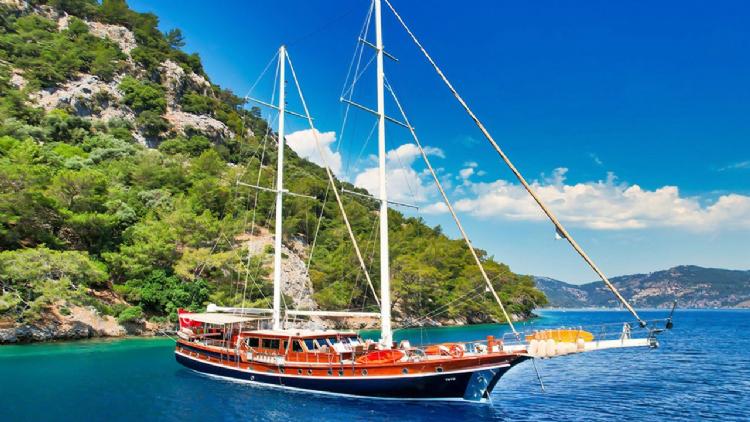
Didim Daily Boat Trip 2025 | Aegean Cruise with Swim, Sun & Fun
Explore the Aegean Coastline with a Daily Boat Trip from Didim — Swim, Sunbathe, Dine, and Discover Paradise Set sail on the Didim Daily Boa
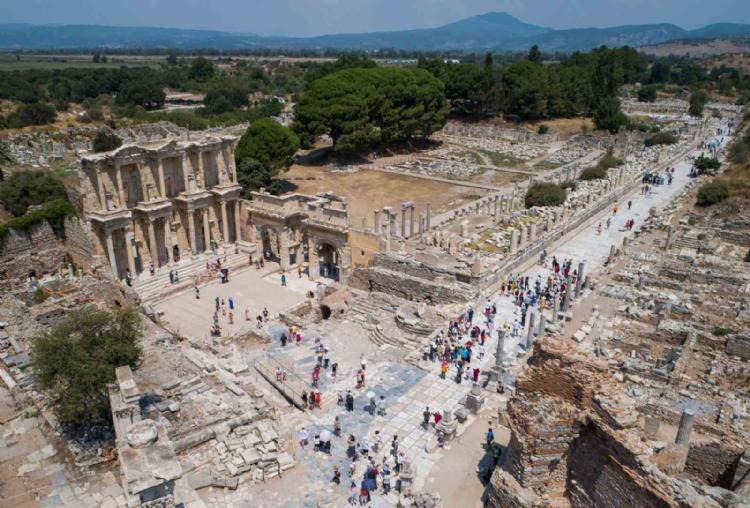
Didim & Altinkum Tours | Airport Transfers & Daily Excursions in Türkiye
Didim & Altinkum Tours | Airport Transfers & Daily Excursions in Türkiye
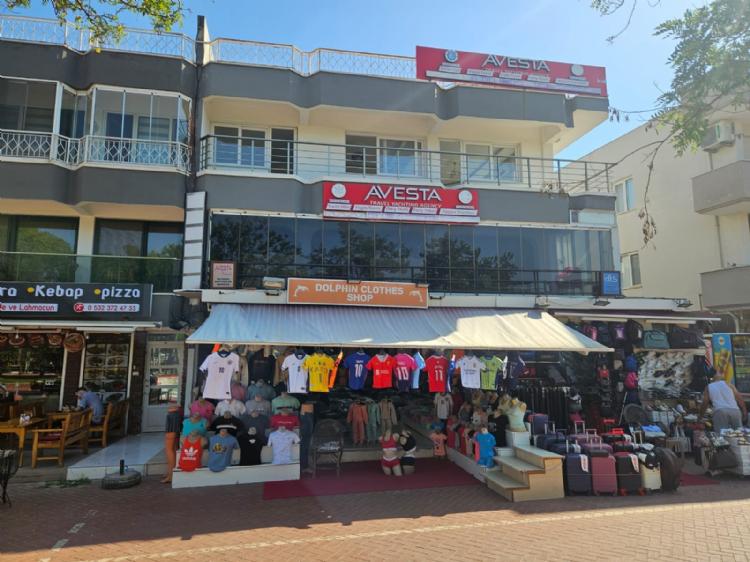
Local Tours from Didim – Ephesus, Pamukkale, Boat Trips & More!
Local Tours from Didim – Ephesus, Pamukkale, Boat Trips & More!
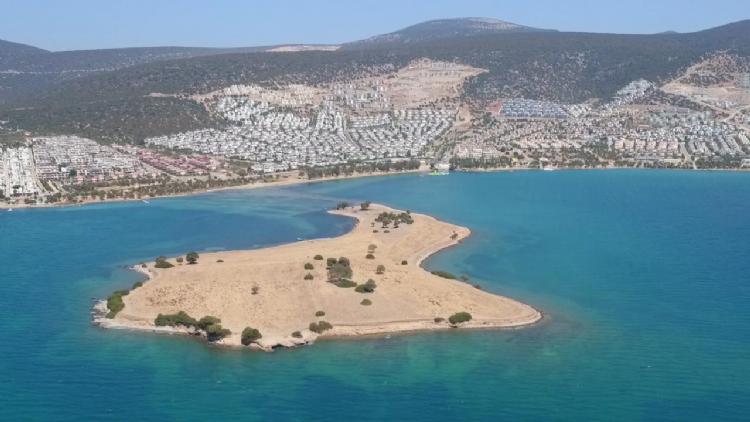
Unforgettable Akbük Day Trips: Explore Nature, History & Local Adventures
From Turquoise Bays to Ancient Temples — Discover the Best Day Tours Akbük Has to Offer Explore the most captivating Akbük day trips with de

Boat & Yacht Rental in Bodrum and Didim – Discover the Aegean by Sea
The Aegean Sea isn't just for swimming — it's for sailing, cruising, celebrating, and escaping. Whether you're staying in the
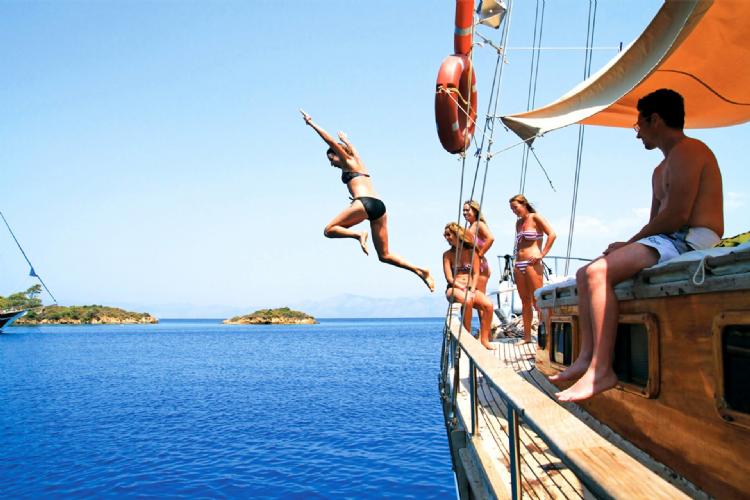
Bodrum Orak Island Boat Trip – Daily Chill-Out Cruise with Avesta Travel
Relax, swim, and explore Bodrum’s most scenic coves on a daily Orak Island boat trip. Book now with Avesta Travel and pay later! Join our Bo
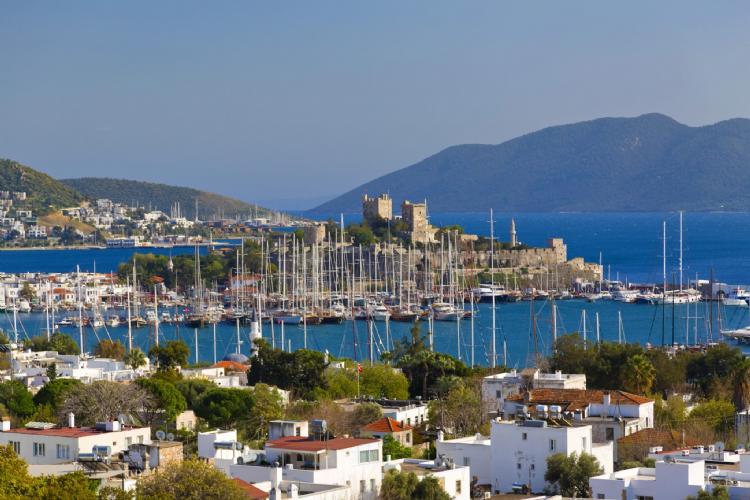
Vacation in Bodrum: The Most Popular Tours and Activities
Vacation in Bodrum: The Most Popular Tours and Activities for Unforgettable Memories Explore Bodrum Like Never Before: Top Tours, Hidden Gem
Bodrum Vacation Guide Tours, Sightseeing, Activities, and Day Trips
Tours, Sightseeing, Activities, and Day Trips
Transfers Bodrum Marina – VIP Transfers from Milas-Bodrum Airport by Avesta Travel
Private transfers to Bodrum Milta Marina, Cruise Port & Halikarnas with Avesta Travel. Book your 24/7 airport transfer today. Avesta Tra
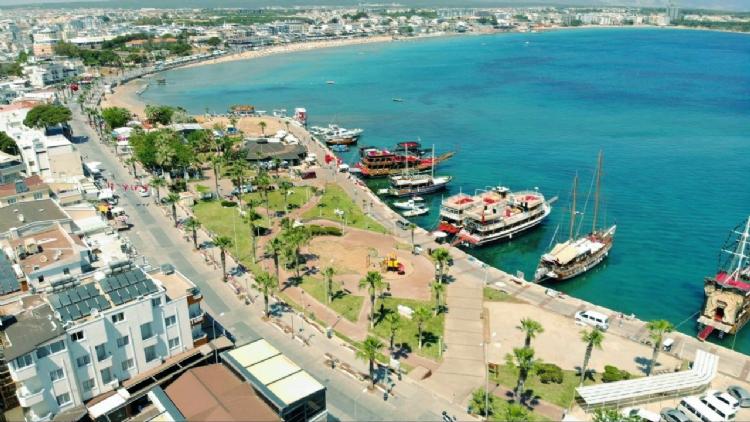
Private Transfers from Bodrum Airport to Aquasis De Luxe Resort & Spa, Didim
Book your private transfer from Bodrum Airport to Aquasis Deluxe Resort in Didim. Safe, affordable, and luxury options available.Need a Didi
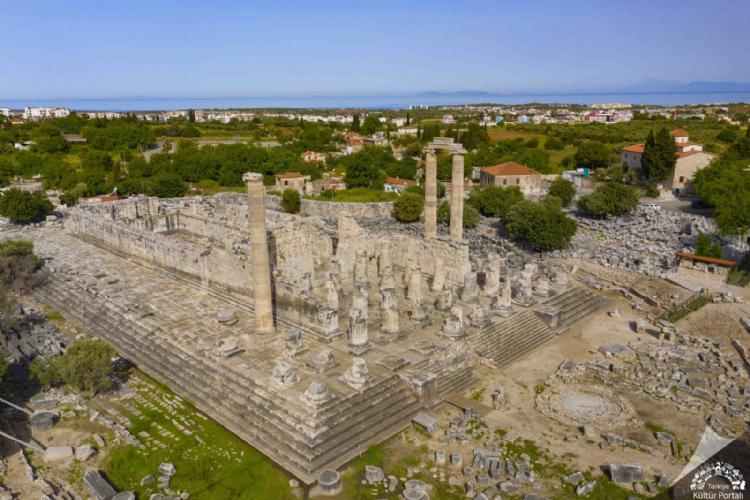
Didim Daily Tours – Best Day Trips & Activities in Aegean Turkey
From Ancient Temples to Turquoise Waters: Discover the Best Daily Tours and Excursions in Didim Explore top-rated Didim daily tours includin
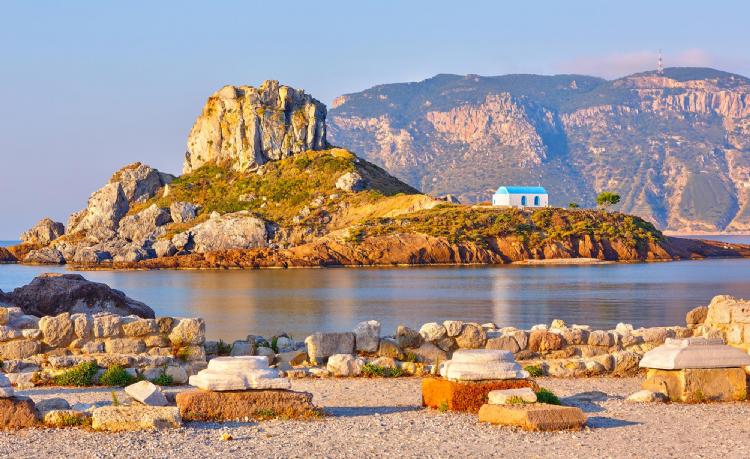
Day Trip from Didim to Kos Island – Discover Greece in a Day
Cross Borders with a Smile: Explore the Charm of Kos Island on a Daily Ferry Tour from Didim Join a full-day trip from Didim to Kos Island a
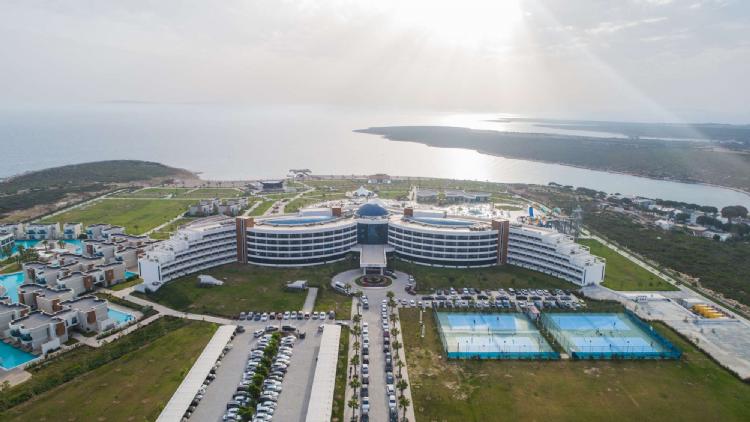
Aquasis De Luxe Resort & Spa | Luxury, Nature, History and Adventure in Didim
Stay at Aquasis, Discover Didim with Aveesta Travel: Ancient Temples, Hidden Bays, and Unforgettable Experiences Aquasis De Luxe Reso
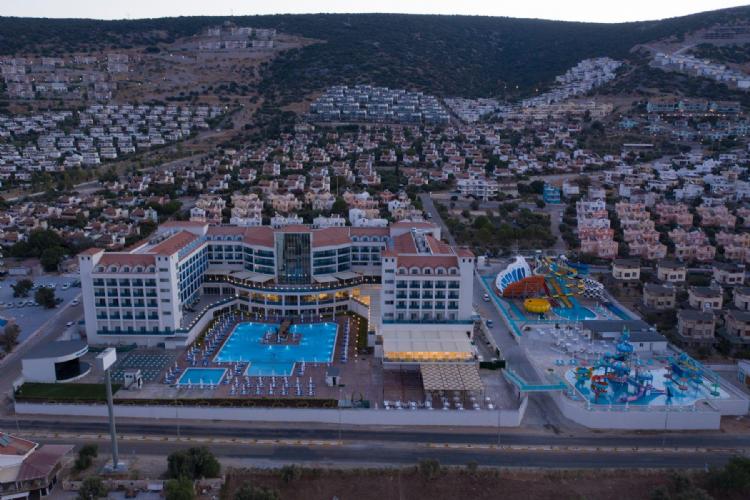
Maxeria Hotel Blue Didyma | A Luxurious, Fun-Filled & Exploratory Holiday in Akbük, Didim
Stay at Maxeria Blue Didyma, Visit the TempMaxeria Hotel Blue Didyma offers more than just an ultra all-inclusive family vacation with its a

Affordable Transportation Guide from Kos Airport to Bodrum and Didim (2025)
In the summer of 2025, getting from Kos Island Airport to Bodrum or Didim is both affordable and easy! Discover flight, ferry, and transfer
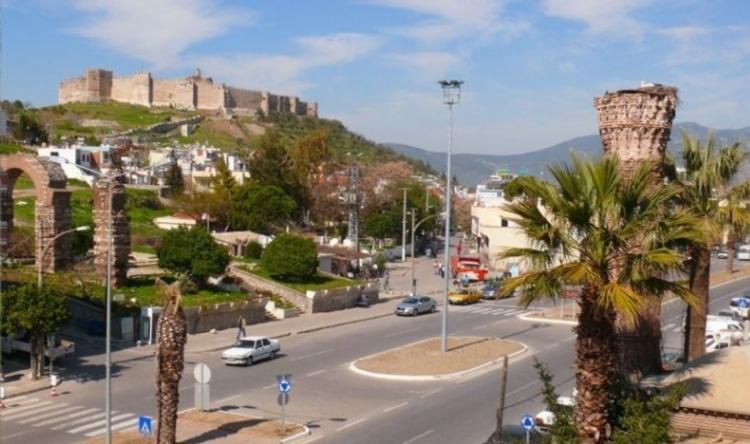
Historical Places to Visit in Selçuk
Historical Places to Visit in Selçuk: Ayasuluk Hill, Basilica of St. John, and the Archaeological Museum
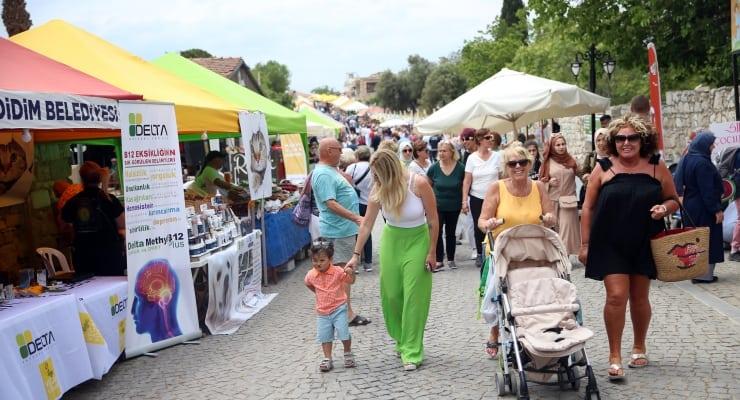
VeganFestivalDidim
Let’s meet in Didim from May 20 to 22! Held in the magical atmosphere of the Temple of Apollo, this unique event will feed your soul while

Didim Lavender Festival 2025
Discover the Purple Charm of the Aegean!The Didim Lavender Festival is one of the most anticipated nature events of the summer for those who
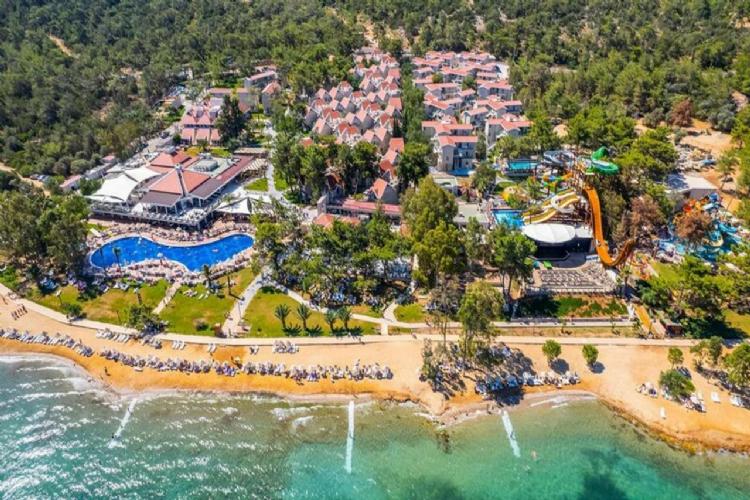
A Fairytale Holiday in Didim Akbük: Long Beach Club Nature
Long Beach Club Nature, which is ideal for those looking for a holiday surrounded by nature in Didim, is located in the middle of lush pine
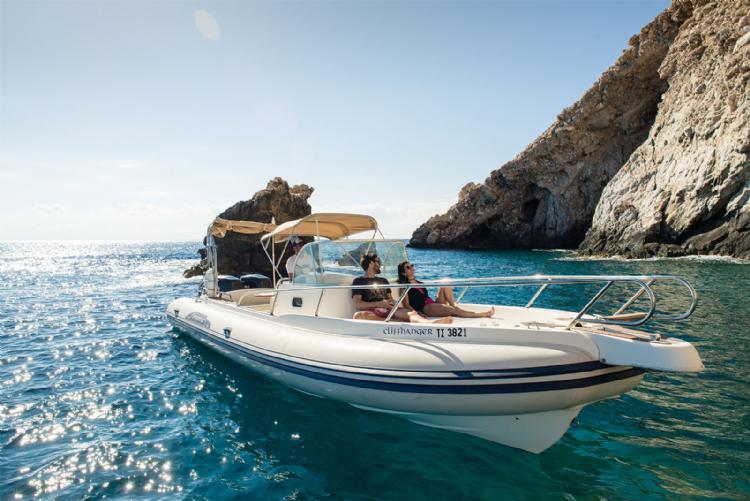
Avesta Travel in Didim & Bodrum!
Unforgettable Holiday Experiences with Avesta Travel in Didim & Bodrum! At Avesta Travel, we're dedicated to creating unique and u
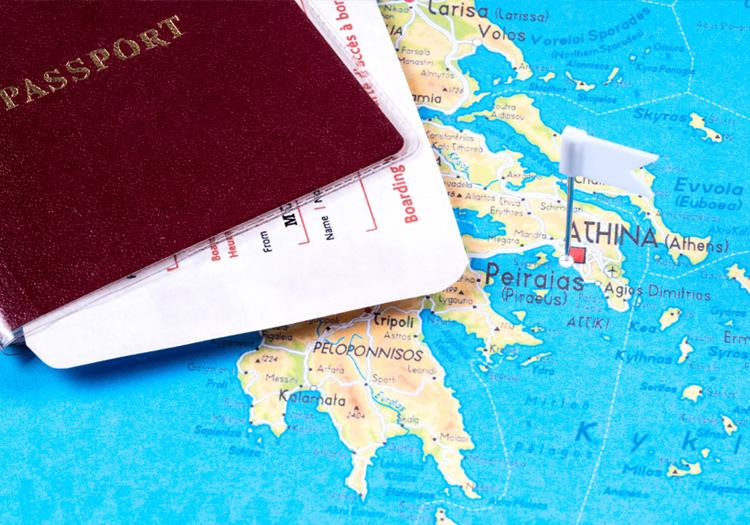
Didim Vize Ofisi – Yunanistan ve Kapı Vizesi İşlemleri
Didim’de profesyonel vize danışmanlık hizmeti arıyorsanız, doğru yerdesiniz!
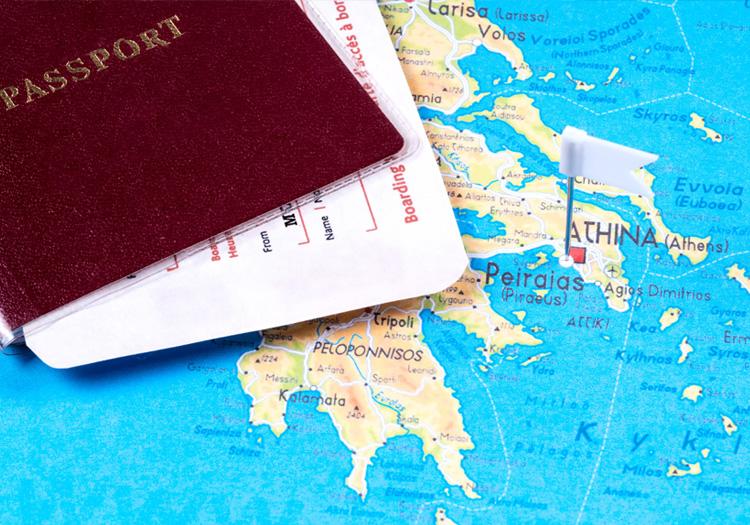
Didim ve Bodrum’dan Yunan Adalarına Kapı Vizesi
Bodrum kapı vizesi ile günübirlik Kos turu Bodrum çıkışlı Yunan adası kapı vizesi Didim'den Kos adasına feribot ve vize Yunan adalarına
Didim'den Kos Adası'na Feribotla Geçiş
Didim'den Kos Adası'na nasıl gidilir? Didim Kos feribot seferleri 2025 Didim çıkışlı Kos feribotu saatleri Didim’den Kos
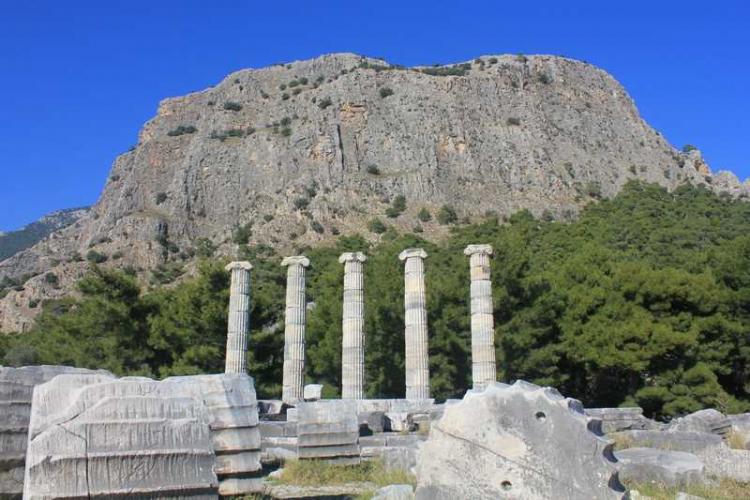
Priene Ancient City Travel Guide 2026: The Silent Ancient Treasure of the Aegean
Priene, one of the most impressive ancient cities of the Aegean Region, is a unique discovery route where history and nature intertwine.
Bodrum Travel Guide 2026: Must-See Places in the Aegean’s Most Popular Holiday Destination
Bodrum travel guide 2026: Places to visit in Bodrum, the most beautiful bays, beaches, historical sites, dining recommendations, and holiday

Bodrum and Turgutreis to Kos, Leros and Kalymnos
For ferry services from Bodrum and Turgutreis to Kos, Leros and Kalymnos, www.bodrumkosferry.com is a reliable and secure online reservation
Didim & Bodrum Gastronomy Tours | Aegean Cuisine
Discover authentic Aegean flavors with gastronomy tours from Didim and Bodrum including wine tasting, local markets, and gourmet experiences
Bodrum Excursions 2026 | Boat Trips & Adventure Tours
Discover the best Bodrum excursions, boat trips, jeep safaris, cultural tours, and family-friendly activities on Turkey’s Aegean coast.Bodru
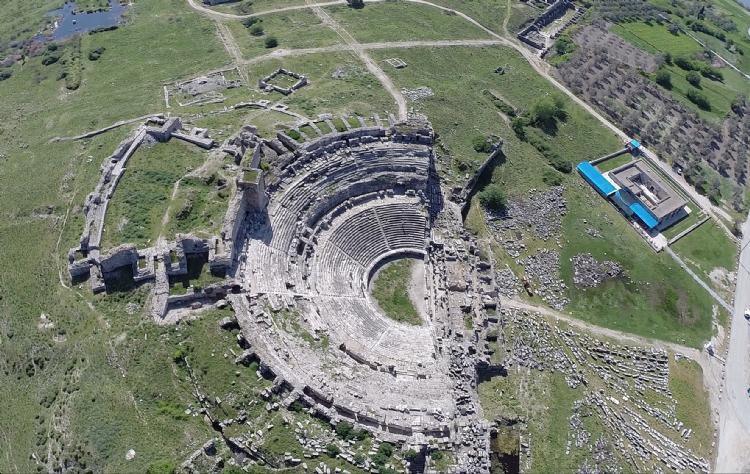
Miletus Ancient City Travel Guide
Miletus Ancient City Travel Guide: One of the Largest Port Cities of the Ancient World
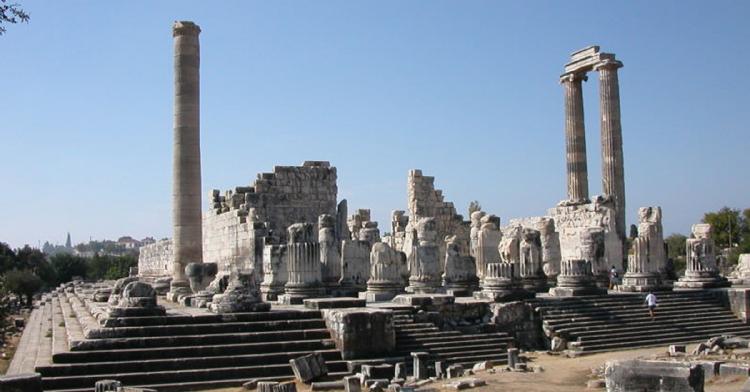
Didyma Ancient City | Temple of Apollo and Visitor Guide
Explore Didyma Ancient City in Didim, home to the Temple of Apollo, oracle rituals, giant columns and fascinating ancient history.Didyma Anc
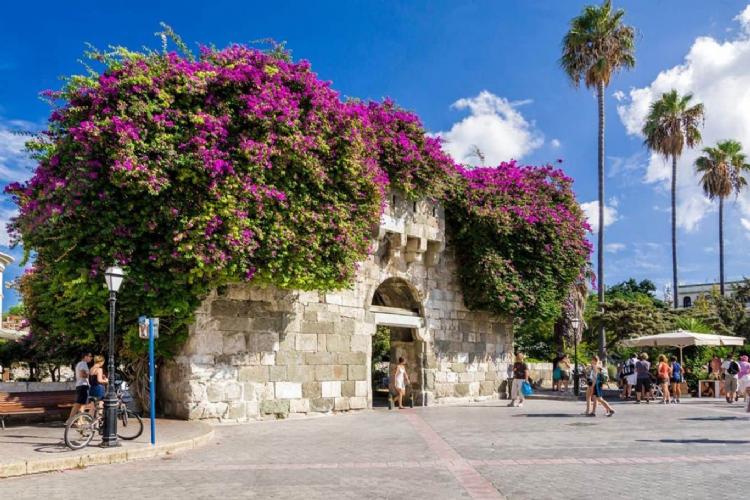
Bodrum to Kos Ferry | Schedules, Tickets & Travel Info
Learn everything about the Bodrum to Kos ferry route, including travel times, ticket options, visa requirements, and useful travel tips for
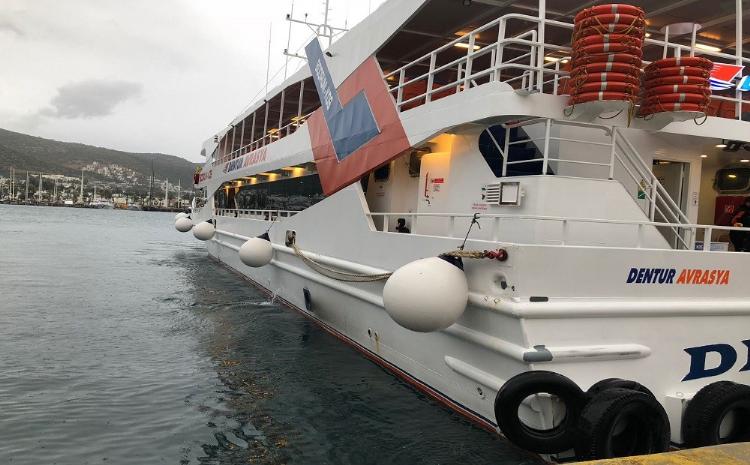
Turgutreis to Kos Ferry Ticket | Easy Bodrum to Kos Travel
Book your Turgutreis to Kos ferry ticket online and enjoy fast, comfortable travel from Bodrum to Kos Island with convenient ferry connectio

Quad Safari Bodrum | Off-Road ATV Adventure
Experience the thrill of Muddy Quad Safari Bodrum with off-road ATV tracks, forest trails, guided tours and free hotel transfers.Muddy Quad

Bodrum Airport Transfer | Private, VIP & Shuttle Services
Book your Bodrum Airport transfer online for safe and comfortable transportation from Milas Bodrum Airport to hotels and resorts across Bodr
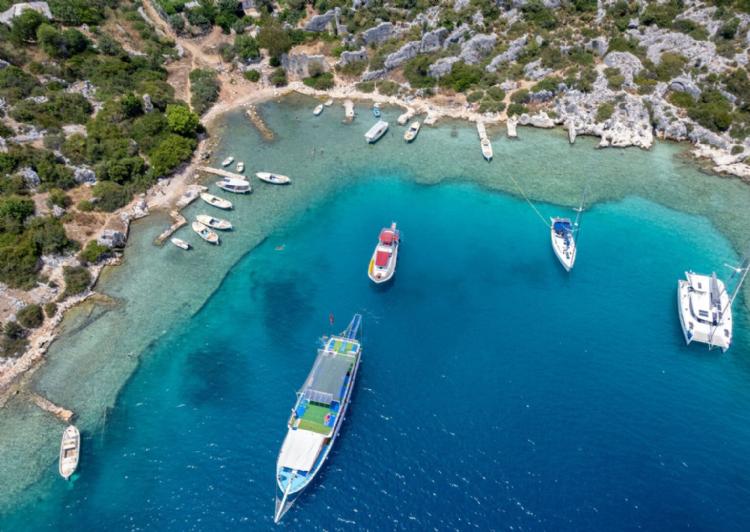
Bodrum Boat Tours | Private Yacht, VIP & Orak Island Cruises
Discover Bodrum’s turquoise bays with private boat tours, VIP yacht charters, Orak Island cruises, sunset trips, and all-inclusive sea adven
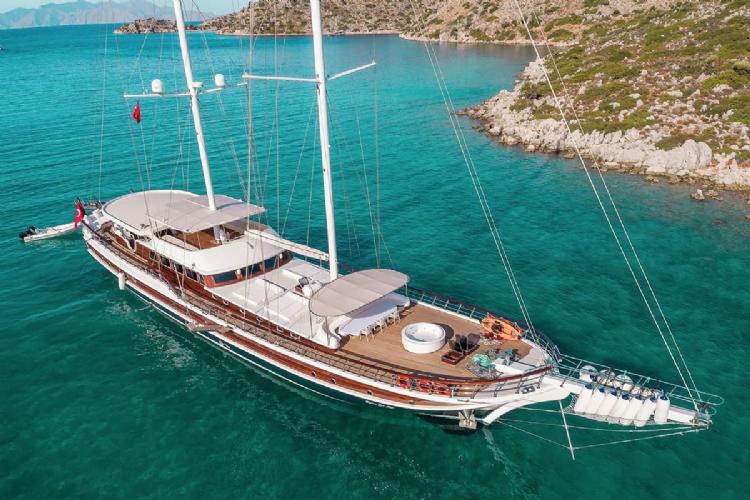
Bodrum Yacht Rental | Private Boat Tours, VIP & Luxury Yachts
Discover premium yacht rental in Bodrum with private boat tours, VIP yacht packages, luxury charters, romantic cruises, family-friendly expe
Bodrum to Six Senses Kaplankaya Transfer | VIP Boat Service
Enjoy a seamless Bodrum to Six Senses Kaplankaya transfer with VIP boat services, luxury transportation, private meet and greet, and flexibl
Special holiday deals for you away from the crowd
Enjoy a safe and healthy holiday in Didim and Bodrum with vacation villas! Don’t miss out on exclusive holiday deals in the most affordable rental villas in the Didim and Bodrum regions.
Enjoy an isolated holiday with your loved ones in the crystal-clear waters and unique bays of Didim and Bodrum. Set sail in the stunning coves of the Aegean and Mediterranean and create unforgettable memories!